Use case in action: Gonka models are now available in Integrity, an AI-powered project workspace
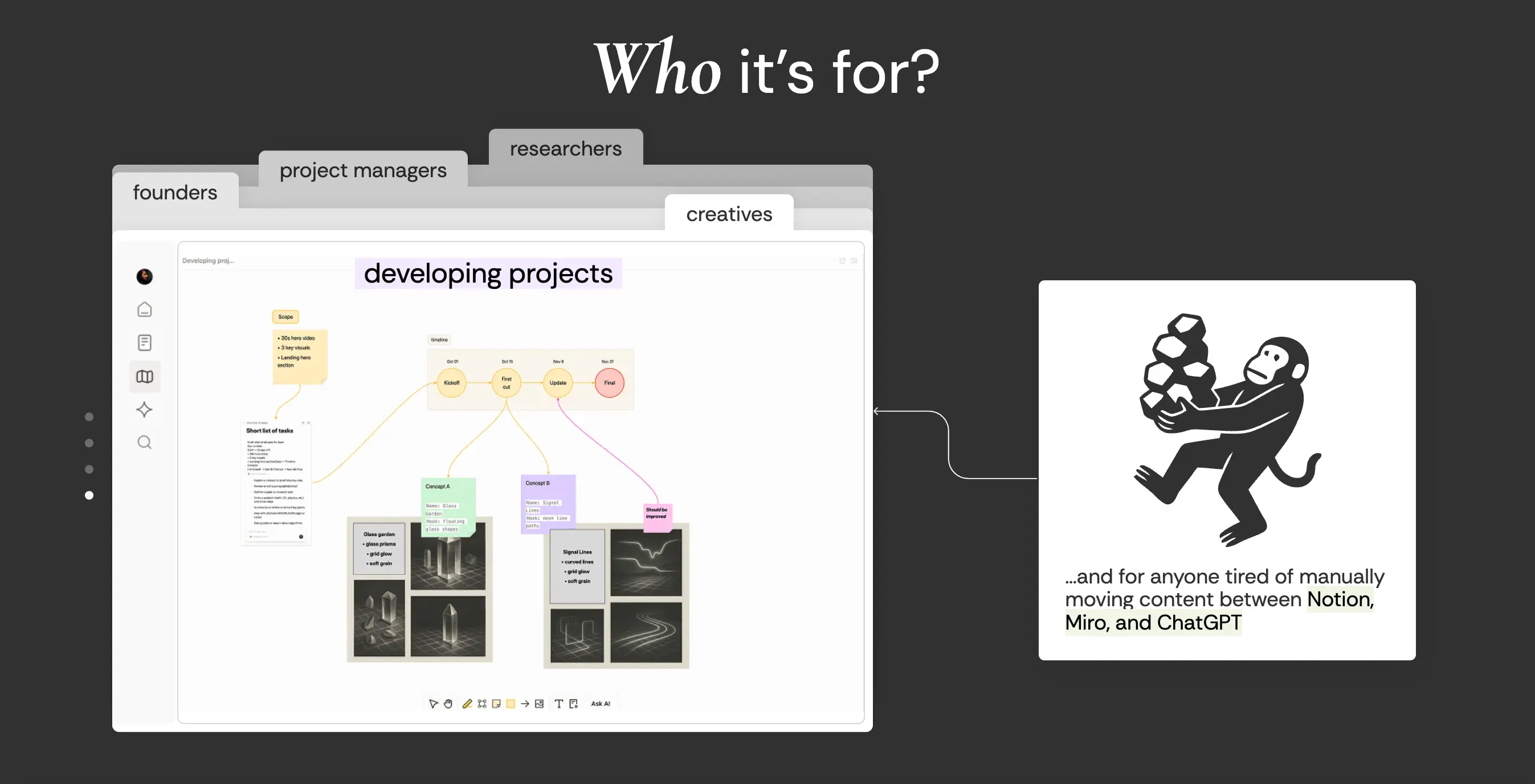
Integrity is an Israeli-American startup building a “unified project brain” — a workspace that combines documents, visual canvases, and AI models in one place.
With its latest beta release, Integrity has added access to open-weight models via Gonka alongside other AI options available in the platform. So what does Integrity offer users in practice?
“Miro gave teams a space for visual thinking. Notion gave them a space to structure knowledge. AI chats introduced a third mode — thinking through dialogue and rapidly iterating on ideas.
But in real work, an idea does not exist in just one of these modes. It emerges visually, takes shape structurally, is tested through dialogue, and then feeds back into the work.
Integrity brings these three modes together around a single data layer,” says Mikhail Ianovich, its founder and CEO.
He also notes that teams can map out an idea on a canvas, structure it in a block-based editor, and continue developing it with an AI agent.
In Ianovich’s view, this is where Integrity differs from tools such as Miro and Notion: it is designed to bring visual, structured, and conversational thinking into a single working system, rather than treating them as separate modes of work.
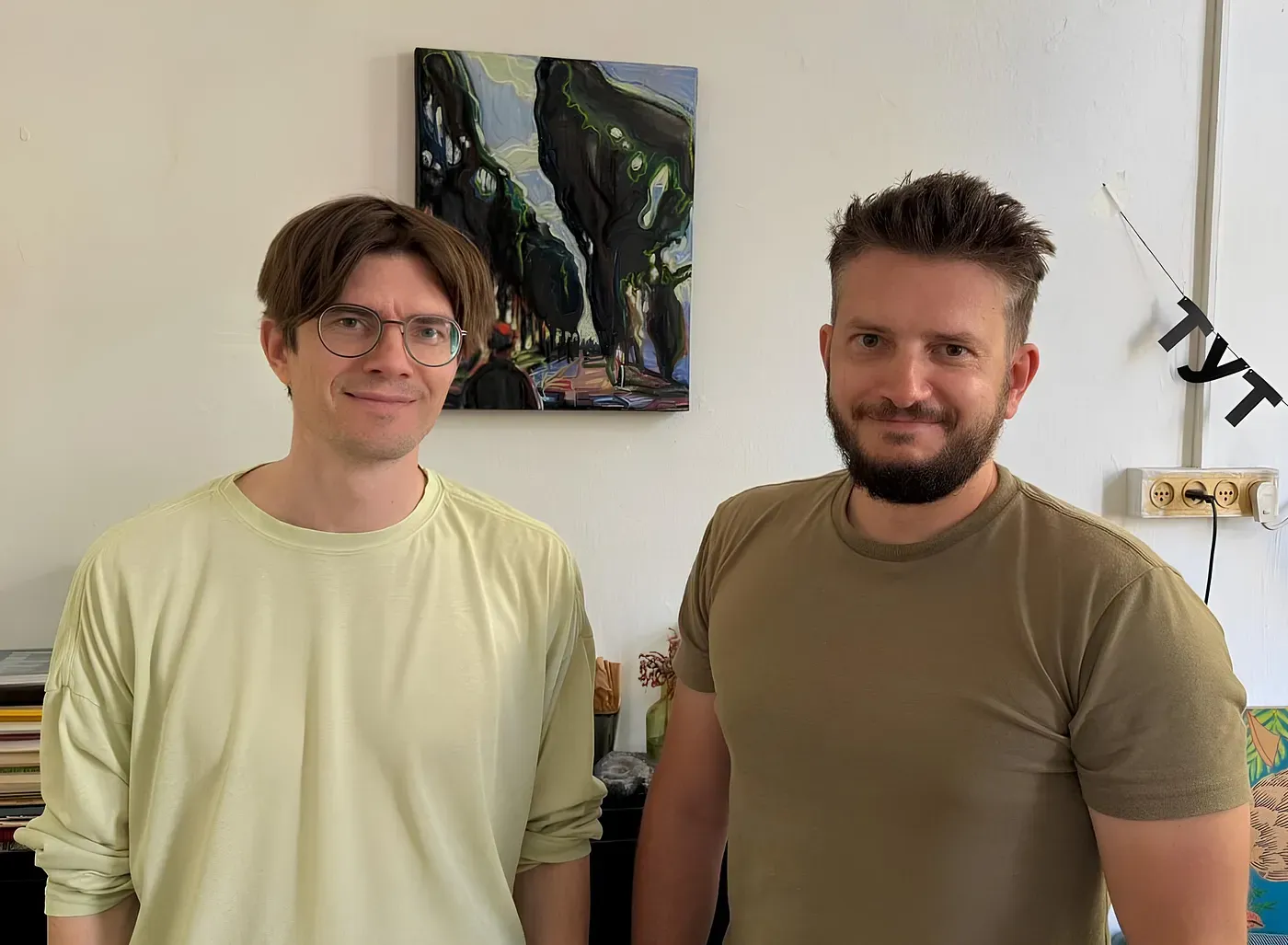
Mikhail Ianovich and Petr Yanovich, co-founder and CTO of Integrity. Photo provided by the team.
The early-stage project has raised more than $1 million and was ranked #1 Product of the Day on Product Hunt in September 2025.
How does Gonka complement Integrity?
The initial Gonka selection in Integrity includes models from Kimi and MiniMax, with GLM also listed as a planned addition. They sit alongside models from OpenAI, Anthropic and Google, giving users access to multiple AI options within the same workspace.
For readers new to Gonka, it is a decentralized AI inference network that gives products such as Integrity access to a growing catalogue of open-weight models through a single integration.
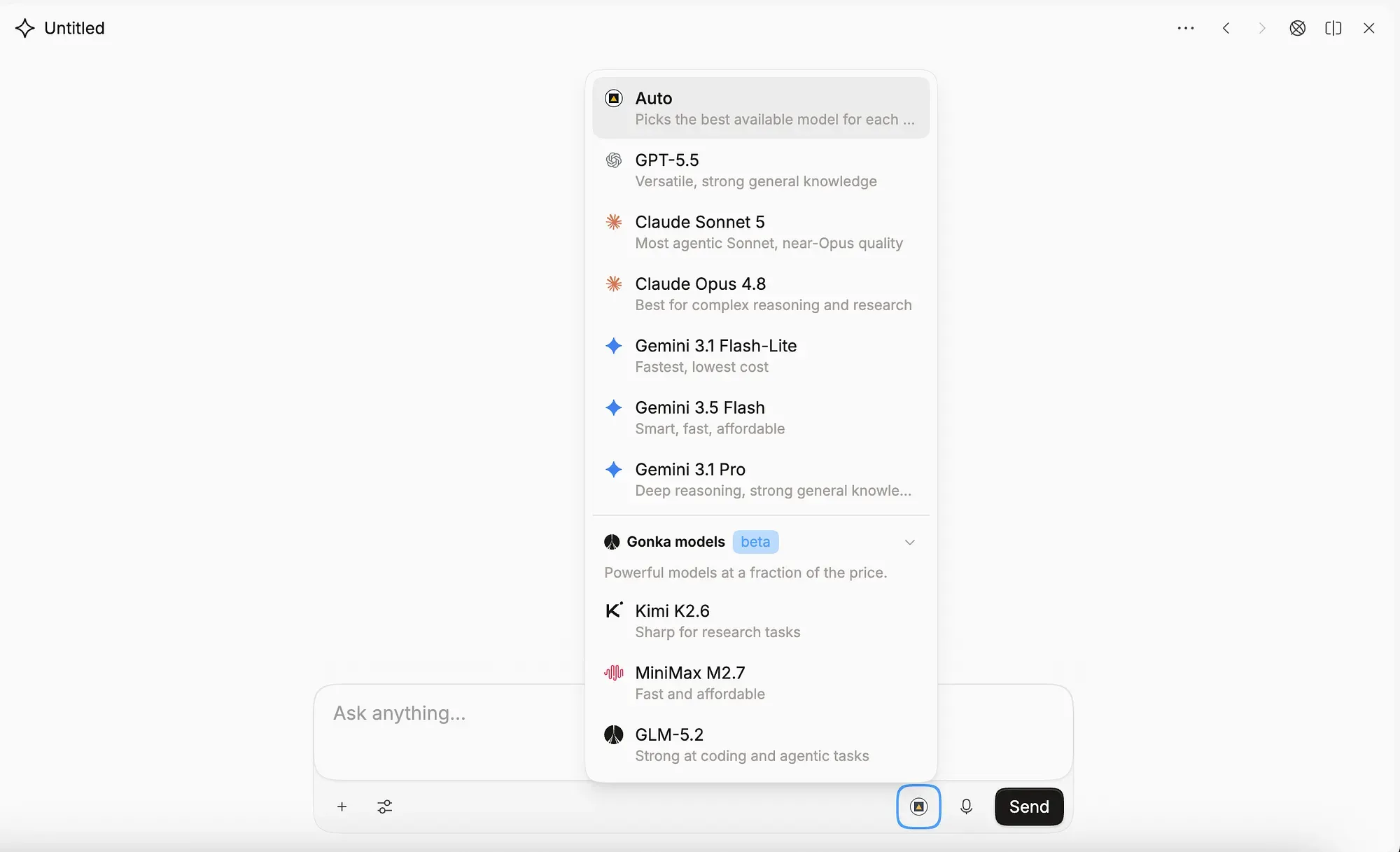
The initial Gonka lineup in Integrity includes Kimi K2.6 and MiniMax M2.7. GLM-5.2, also shown in the interface, is planned for a future addition.
This allows Integrity users to apply these models to everyday work tasks and compare their performance with other models in the same project workspace.
We also tried the integration in a simple real workflow. We created a small business canvas in Integrity to map out how a small team could introduce decentralized AI, then asked a MiniMax model available through Gonka a few questions based on that canvas.
The model was able to use the context from the board and give relevant answers without us having to copy the notes into a separate chat. We did notice one small beta surprise: in some responses, parts of the model’s thinking process appeared in the final output.
Still, the test showed that Gonka models can already work with visual project context inside Integrity and support this kind of workflow.
Why Integrity decided to try Gonka
One reason Integrity decided to explore Gonka was its approach to decentralized inference and model access. The decision also reflects the company’s broader view of how AI products should evolve.
“The future of AI is not a closed tower built around a single model, but an open ecosystem of intelligences. As models increasingly work together, people need an environment where this cooperation does not break down into chats, tabs and copy-paste. Integrity and Gonka connect open AI infrastructure with a working context in which the human remains the main orchestrator,” says Mikhail Ianovich.
The team was also pleasantly surprised by several practical aspects of the integration.
“We’ve seen good inference speed in our tests. Gonka also provides built-in web search out of the box, which many open-weight model providers don’t offer. On top of that, the pricing is attractive, and the team has been very responsive throughout the integration process,” says Petr Yanovich, Integrity’s CTO.
The team says it is still too early to draw firm conclusions about the network. For now, it is particularly interested in the availability of newer models through Gonka, including MiniMax M3.
Why real-world use cases matter
To better understand why integrations like Integrity matter from a community perspective, we also spoke with Viktor Katsman, an active contributor who is developing the ecosystem marketing track within Gonka’s community roadmap:
“Most people don’t evaluate infrastructure projects through technical specifications alone. Before deciding whether they want to use a product, they look at real-world use cases from projects they trust. At the same time, growth in product adoption is one of the strongest signals that a project is useful, growing, and worth joining.”
Viktor notes that Integrity was not chosen at random. He had known the team for several years through educational and technology circles and saw the project as a practical starting point: established enough to serve as a credible public case, yet still early enough to experiment with new infrastructure.
In his view, Integrity stood out as a particularly attractive starting point because it provides a visible and accessible environment where users can directly see and test Gonka models alongside other providers.
“What I liked about Integrity is that you can clearly see a Gonka model being used. People can try it, compare it with other models, and quickly form their own opinion without having to connect through a complicated API or deal with the underlying infrastructure,” says Viktor.
Whatever the long-term outcome of this partnership, examples like Integrity make Gonka easier to evaluate from the outside. Rather than relying on technical updates alone, people can see how the network performs inside a live product and form their own view of its readiness for broader adoption.
Your support helps keep the blog independent
It helps us spend more time on analysis and original stories about the network.